

Why Accessible Camping Matters
Camping and caravanning offer a fantastic way to enjoy the great outdoors, but accessibility can sometimes be a challenge. With the right planning, equipment, and locations, an inclusive and enjoyable camping experience is possible for everyone. This guide provides key considerations, practical advice, and how The Camping and Caravanning Club and innovative products like The Whizzer can make outdoor adventures more accessible.
The Growing Demand for Inclusive Outdoor Travel

1. Choosing the right campsite
Selecting a campsite that caters to accessibility needs is crucial. The Camping and Caravanning Club provides a range of accessible sites with facilities.
What to Look for in Accessible Campsites
-
Step-free access to communal areas and washrooms
-
Hard-standing pitches for wheelchairs and mobility aids
-
Adapted shower and toilet blocks
-
Electric hook-ups for medical equipment
How to Check Accessibility Before Booking
Not all campsites advertise their accessibility features clearly, so it’s important to research thoroughly before confirming your booking.
Start by checking whether the campsite is listed with detailed accessibility information. Organisations such as AccessAble provide in-depth guides that include measurements, step-free access details, parking layouts, toilet facilities, and pathway surfaces. These guides are especially useful for wheelchair users or anyone who needs specific information beyond a simple “accessible” label.
If toilet access is a priority, it’s also worth checking the Changing Places website. Their searchable map shows the location of fully accessible toilets across the UK, including those with hoists and adult-sized changing benches. This can be invaluable when planning travel routes or confirming nearby facilities if a campsite’s own toilets are limited.
Before booking, consider:
-
Calling the campsite directly to ask specific questions about terrain, lighting, and distances between facilities
-
Asking for photos of pitches, entrances, and washrooms
-
Checking whether hard-standing pitches are available
-
Confirming access to electric hook-ups for medical equipment
Taking these steps in advance helps avoid unexpected barriers and ensures a smoother, more enjoyable camping experience.
2. Choosing the Right Tent or Caravan Setup for Accessibility
Creating a wheelchair accessible camping setup starts with choosing accommodation that allows for safe movement, comfort, and independence. Whether you prefer tent camping or touring in a caravan, the right layout can significantly improve the experience for campers with mobility challenges.
When planning an accessible caravan layout or tent arrangement, think beyond sleeping arrangements. Consider entry access, floor space, storage height, and how easily essential facilities can be reached during the day and at night.
Accessible Tent Features to Consider
If you’re camping in a tent, space and stability are key.
Look for:
-
Large, stand-up tents that allow full height movement
-
Wide zip openings for easier wheelchair or mobility aid access
-
Flat pitch positioning to avoid uneven terrain
-
Heavy-duty ground sheets to improve wheel stability
-
Separate living and sleeping zones for better layout flexibility
Tunnel tents and inflatable air-beam tents can be particularly helpful because they remove the need for complex pole assembly and provide wider internal areas.
Also consider positioning the tent close to accessible washrooms and on hard-standing or firm grass pitches where possible. Campsites such as The Camping and Caravanning Club often indicate pitch types in their site descriptions.
Caravan Modifications for Disabled Campers
Caravans and motorhomes offer more structural stability, which can make accessibility easier to manage.
An accessible caravan layout may include:
-
Portable or fixed entry ramps
-
Handrails near doorways and sleeping areas
-
Lowered countertops or adjustable tables
-
Wider internal walkways
-
Swivel seating for easier transfers
Some caravan owners choose to install grab handles or modify bathroom spaces for safer transfers. If you’re purchasing a new model, look for layouts that prioritise open-plan living rather than compact, narrow corridors.
For additional campsite accessibility guidance, organisations like AccessAble can provide useful environmental details.
Creating More Manoeuvring Space
Regardless of whether you choose a tent or caravan, thoughtful layout planning makes a major difference.
To create more manoeuvring space:
-
Keep walkways clear of bags and equipment
-
Use foldable or collapsible furniture
-
Store items vertically to free up floor space
-
Position frequently used items within easy reach
-
Avoid overpacking bulky gear
At night, clear pathways to exits and toilet solutions to reduce fall risks and improve confidence when moving in low light.
Accessible camping isn’t about luxury — it’s about thoughtful design. With the right setup, campers with disabilities can enjoy comfort, independence, and the freedom to explore the outdoors with confidence.
4. The Whizzer: A game-changer for accessibility
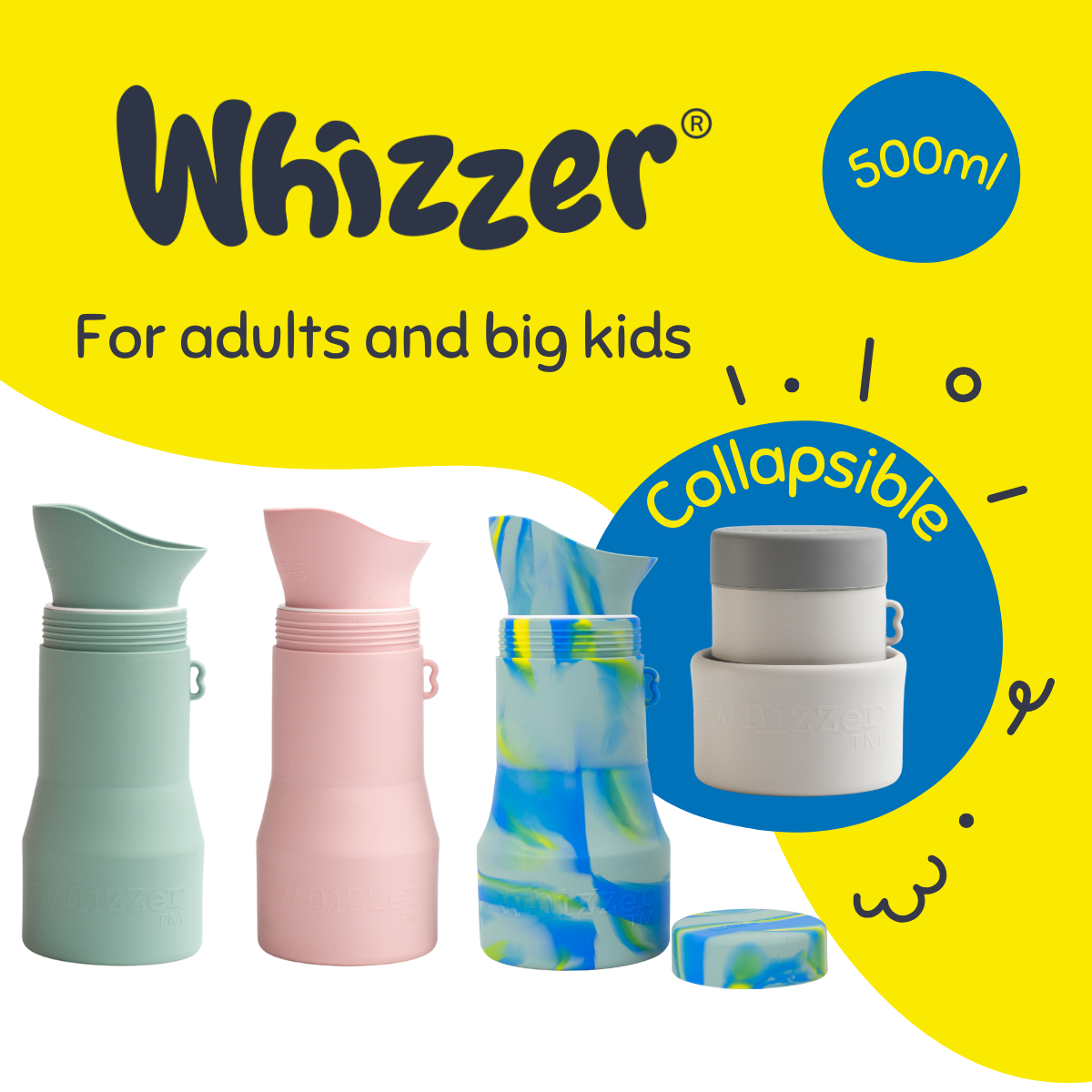
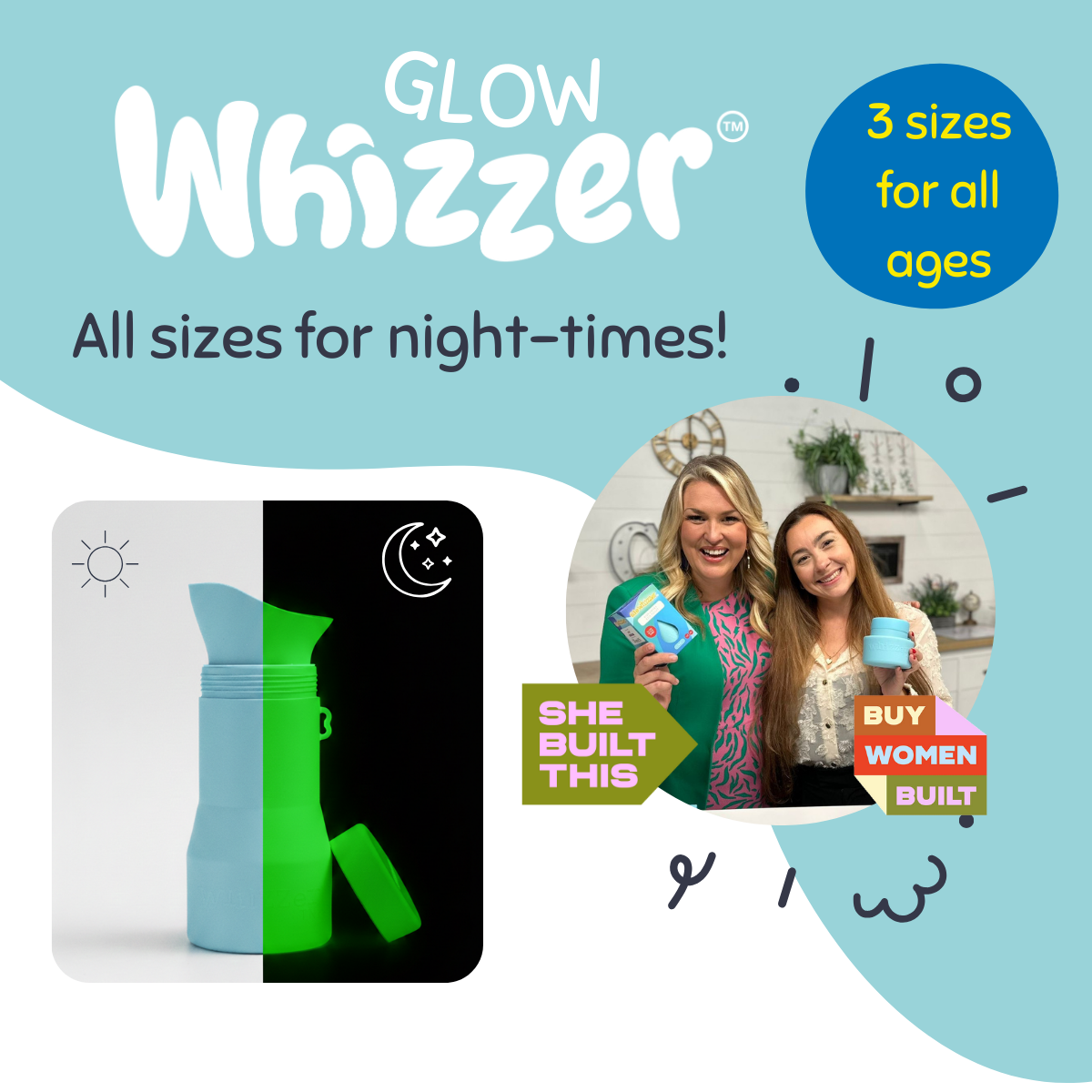
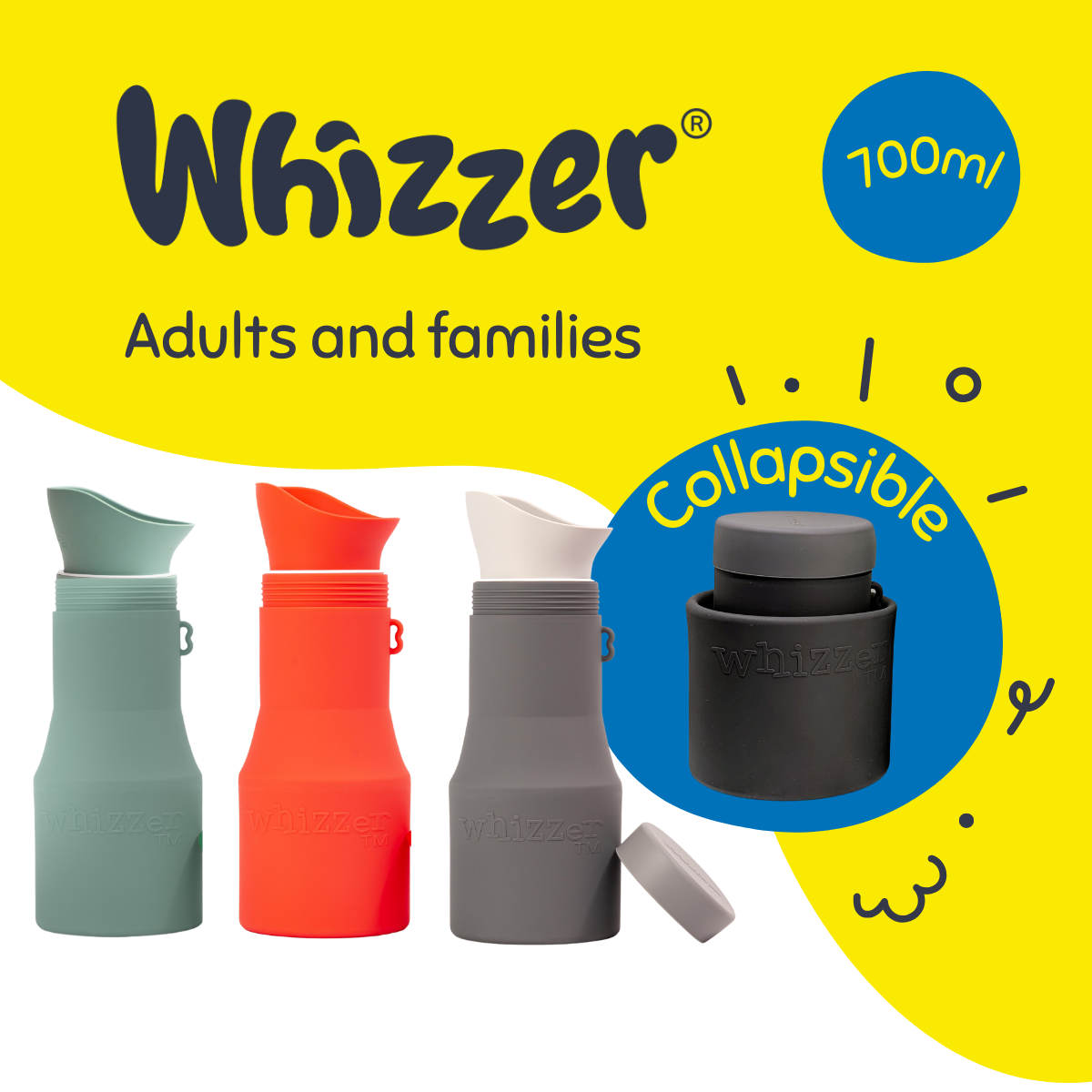
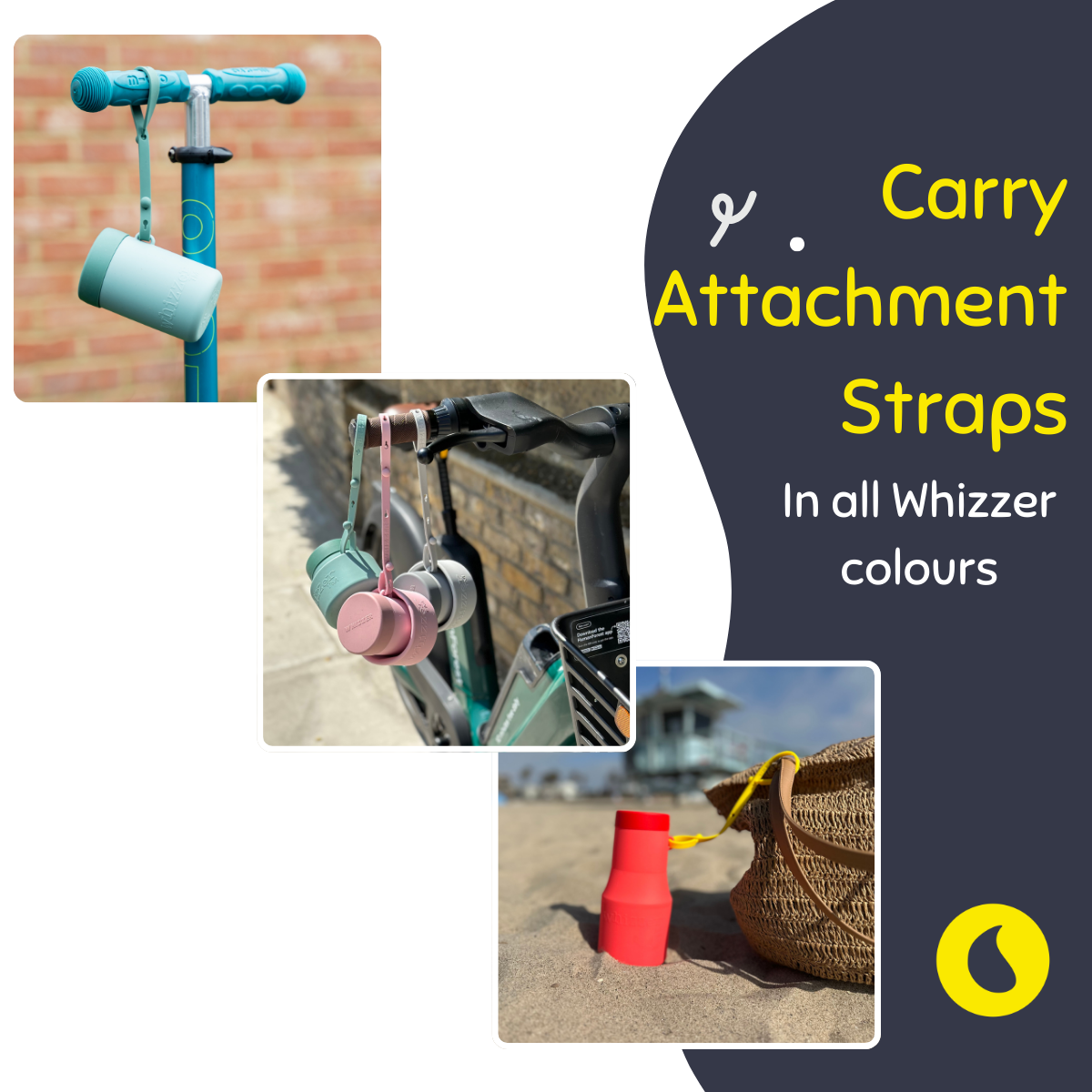
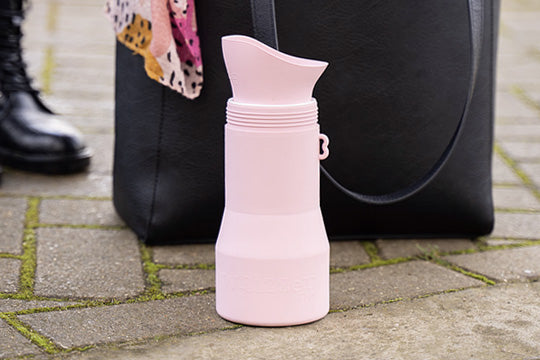
One of the biggest challenges when camping is access to suitable toilet facilities, especially for those with limited mobility. The Whizzer, a compact, unisex, portable eco-toilet, is a perfect solution for campers with disabilities.
Why the Whizzer is Essential:
-
Reduces the need to navigate dark or distant toilet blocks
-
Provides privacy and ease of use inside tents, caravans, or vehicles
-
Lightweight, compact, and hygienic, making it perfect for travel
-
Ideal for individuals with limited mobility, bladder conditions, or those who need quick access to facilities
Having a Whizzer on hand ensures that everyone, regardless of ability, can enjoy a stress-free and accessible camping experience.
5. Additional accessibility tips for a smooth trip
-
Plan ahead: Check campsite accessibility before booking.
-
Pack strategically: Bring extra batteries for mobility aids and medical supplies.
-
Use technology: Apps like Google Maps and campsite directories help locate accessible routes.
-
Travel with a support system: Whether family, friends, or assistance animals, a good support network enhances the experience.
- Once pitched and set up, use websites like AccessAble to plan your days out. Their useful search engine enables you to find wheelchair friendly venues or check out disabled access and facilities.
Camping with a disability requires thoughtful planning, but with the right information and preparation, it can be a safe, enjoyable and empowering experience. Below are answers to some of the most common questions about accessible camping in the UK.
Camping and caravanning should be accessible to all, and with the right preparation, it can be an enjoyable experience for everyone. Thanks to The Caravan and Motorhome Club, accessible campsite options are more widely available than ever before. Additionally, innovative solutions like The Whizzer provide much-needed convenience and independence.
Whether you’re a seasoned camper or trying it for the first time, taking advantage of inclusive camping resources will make all the difference. Get out there, explore, and enjoy the adventure!