

Menopause is often described as a series of hot flushes and mood swings, but there is a significant, "hushed-up" side effect that many women face: changes in bladder health. If you’ve found yourself mapping out every public toilet on your commute or crossing your legs before you sneeze, you are far from alone.
As hormone levels fluctuate, many women experience increased urinary frequency, urgency, and incontinence. However, this isn't just an inevitable part of "getting older"—it’s a biological shift that you can proactively manage.

Understanding the Link: What is GSM?
The decline of oestrogen during menopause affects more than just your cycle; it impacts the entire urogenital system. In fact, 70% of post-menopausal women experience Genitourinary Syndrome of Menopause (GSM).
GSM is an umbrella term for symptoms including vaginal dryness, irritation, and, (crucially) an increased, urgent need to urinate. While roughly 30–40% of women aged 35–55 report bladder weakness, experts believe the true figure is much higher due to the stigma surrounding the topic.
The menopause is an inevitable stage in a woman’s life course. As a gynaecologist, I’ve witnessed first-hand the symptoms that women experience, which can have debilitating impacts on their daily lives." — Dame Lesley Regan
The Pelvic Floor Connection: Why Oestrogen Matters
To understand why menopause affects the bladder, we have to look at the "support system" underneath it. Think of your pelvic floor as a muscular hammock that stretches from your pubic bone to your tailbone, cradling your bladder, uterus, and bowel.
When oestrogen levels are high, this hammock is thick, strong, and resilient. As oestrogen declines, it impacts your "biological scaffolding" in two ways:
-
Loss of Tissue Elasticity: Oestrogen keeps the tissues of the bladder and urethra (the tube you pee through) plump and stretchy. Without it, these tissues can become thin and dry (atrophy), making the bladder lining more irritable and the "seal" of the urethra less effective.
-
Reduced Muscle Tone: Just like any other muscle, the pelvic floor can lose its "snap" during menopause. If the hammock starts to sag, it can’t provide the firm upward pressure needed to keep the bladder closed during sudden movements.
Decoding Your Symptoms
Not all bladder issues are created equal. Understanding which type you are experiencing can help you find the right solution:
-
Stress Incontinence: Leaking urine when you cough, sneeze, laugh, or exercise. This is usually down to that "sagging hammock" mentioned above.
-
Urge Incontinence: A sudden, overwhelming need to go, often followed by involuntary leaking. This is often linked to an "overactive" bladder lining.
-
Frequency: Feeling the need to go more than 7–8 times a day, or waking up multiple times a night (Nocturia).
Practical Strategies for Bladder Health
You don't have to suffer in silence. Small lifestyle adjustments can yield big results:
1. Master the "Squeeze"
Strengthen your pelvic floor with regular Kegel exercises. The Squeezy App is a fantastic, NHS-recommended tool to help you stay on track with your sets.
2. Mind Your Triggers
Certain foods and drinks act as bladder irritants. Try these simple swaps:
| Bladder Irritant | Bladder-Friendly Alternative |
| Strong Coffee / Tea | Herbal Teas (Roobios or Peppermint) |
| Fizzy Drinks / Soda | Still Water with cucumber or mint |
| Spicy Foods | Mild herbs (Basil, Oregano, Parsley) |
| White Wine / Spirits | Diluted fruit juices or water |
3. Hydration & Weight Management
It sounds counterintuitive, but drinking less water makes your urine more concentrated, which irritates the bladder lining and makes urgency worse. Aim for steady hydration throughout the day. Additionally, maintaining a healthy weight reduces the physical pressure on your pelvic floor.

Freedom on the Go: The Whizzer
Medical and physical therapies take time to work. In the meantime, the fear of "not making it" shouldn't keep you trapped at home.
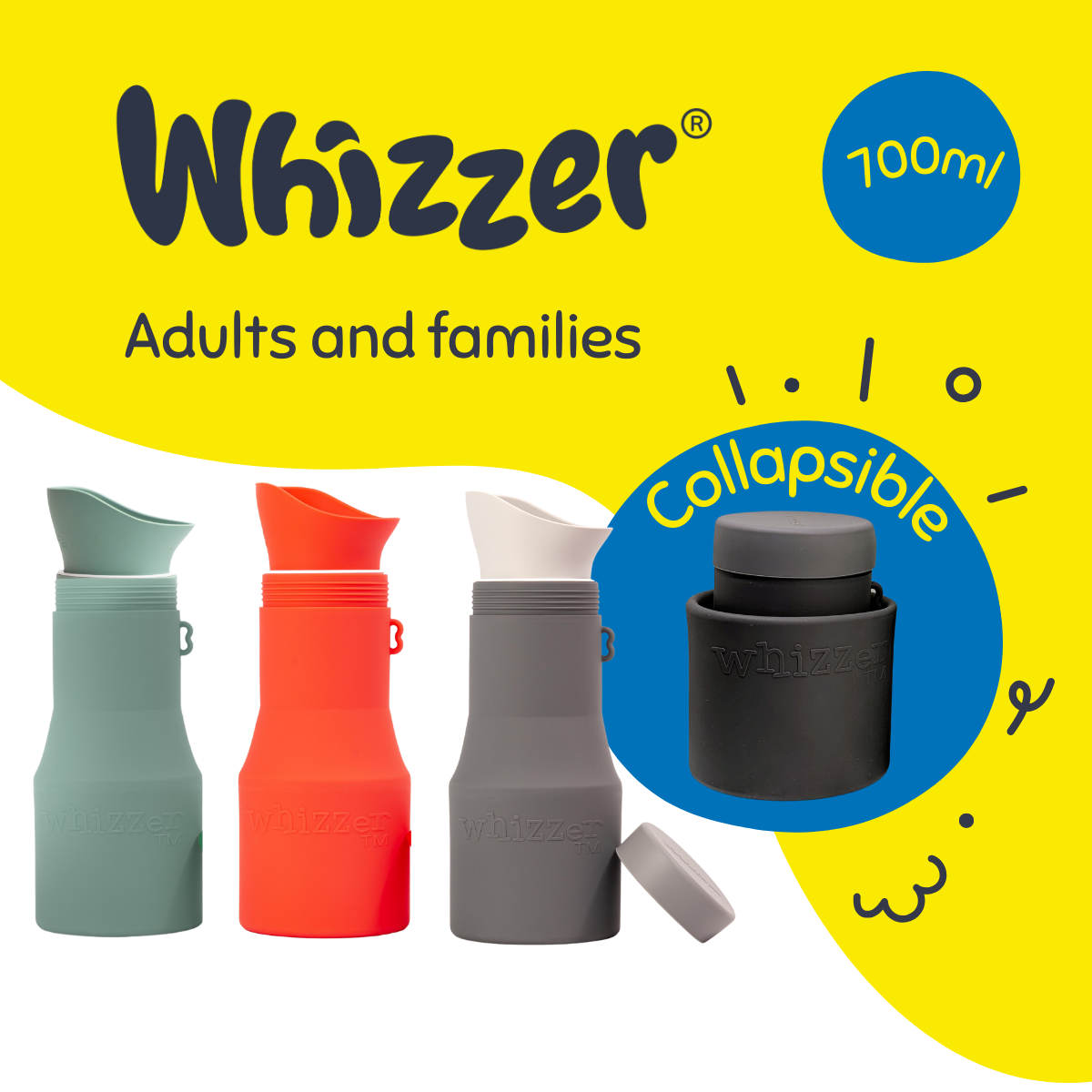
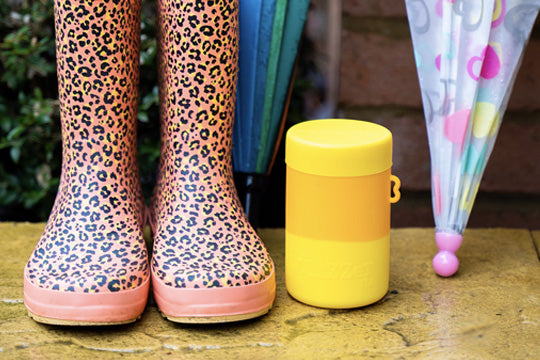
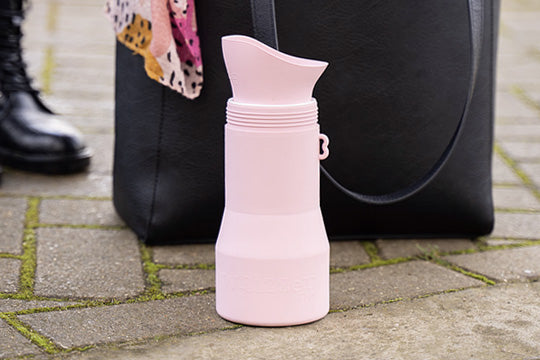
The Whizzer portable toilet offers a discreet, ergonomic, and convenient solution for those "emergency" moments. Whether you’re stuck in traffic, hiking, or at an event with long queues, it provides immediate relief and the confidence to enjoy your life without constantly scanning the room for a "Toilets" sign.
Seek Support and Resources
You are part of a massive community of women navigating this transition. Reach out to these expert resources for evidence-based advice:
-
Menopause Support UK: Founded by Diane Danzebrink, home of the #MakeMenopauseMatter campaign.
-
Balance (Dr. Louise Newson): Comprehensive advice on HRT and pelvic health.
-
Let’s Talk Menopause: Founded by Ruth Devlin, providing accessible blogs and podcasts.
-
GenM: A collective making menopause visible through trusted brands and products.

Take the Next Step: Talk to Your GP
If bladder symptoms are impacting your quality of life, please book an appointment with your GP or a Pelvic Health Physiotherapist. There are many treatments available, from topical oestrogen creams to specialised physical therapy, that can restore your comfort and confidence.
Don't wait for "later" - your health and comfort matter today.