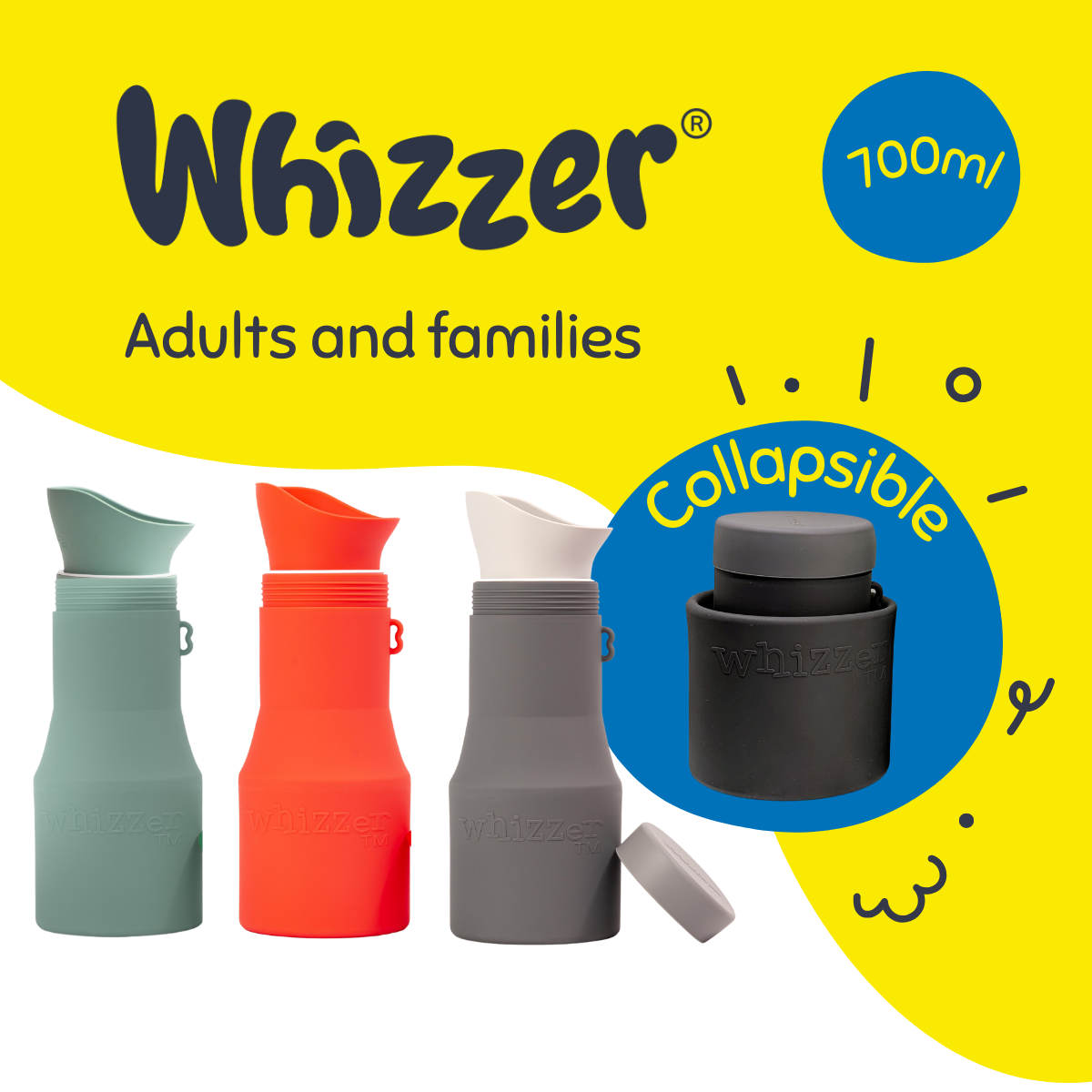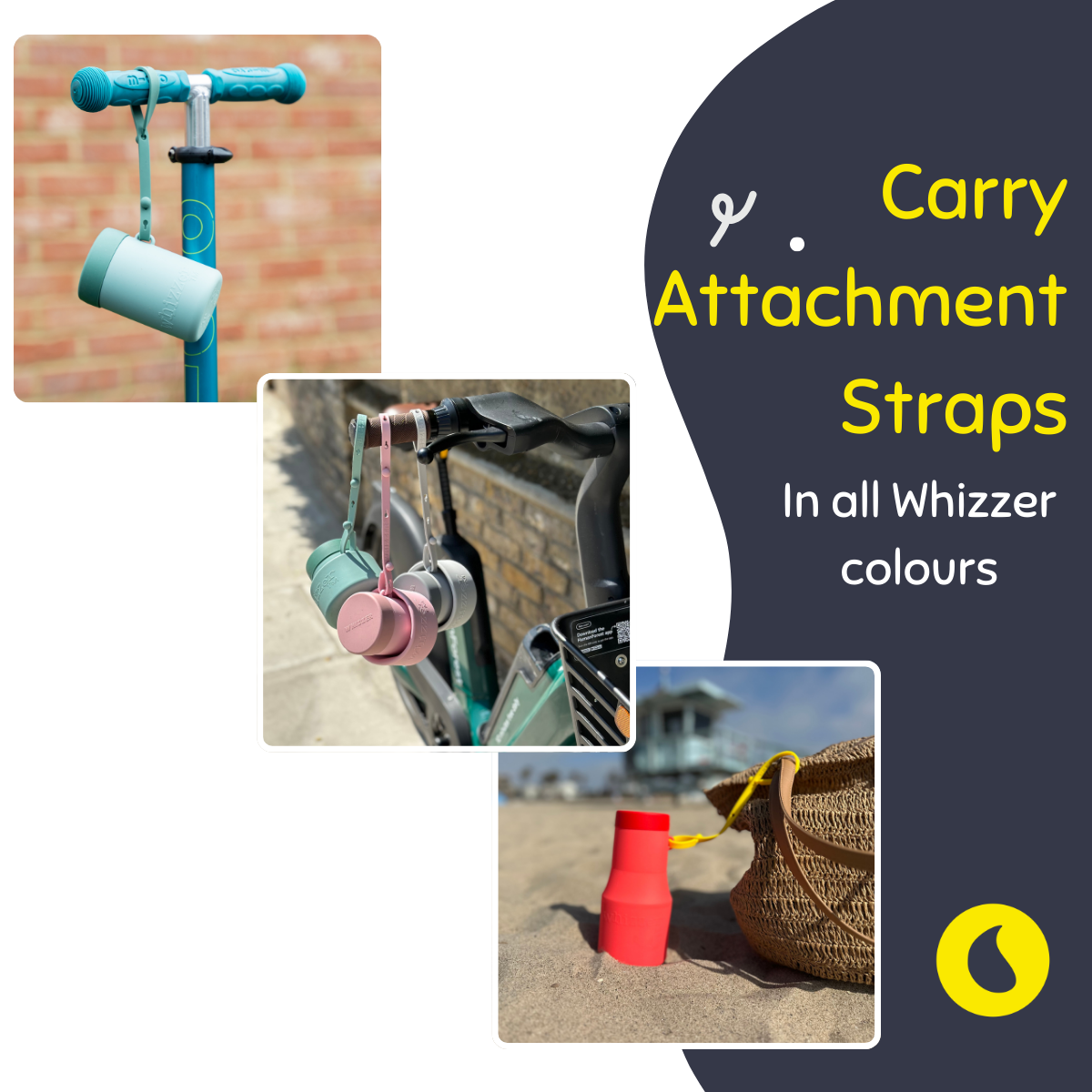
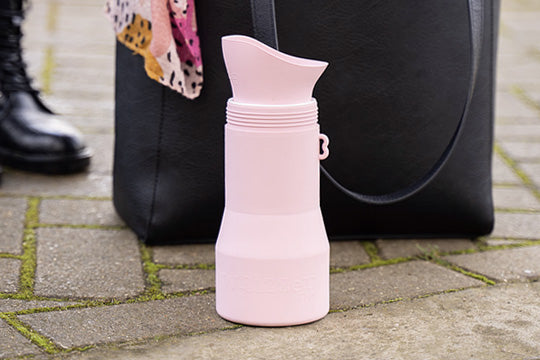


Living with a chronic condition often means your life is dictated by the location of the nearest public toilet. Today, we’re sharing a message from one of our community members, Sarah, who reached out to tell us how she reclaimed her sense of adventure after purchasing a Whizzer.
Sarah’s Story: Breaking the Anxiety-Urgency Loop
"For years, my Interstitial Cystitis turned every car journey or shopping trip into a source of pure anxiety. I’ve had to pull over in some pretty unsafe places, and there were months where I just stopped leaving the house altogether because the 'flares' were so unpredictable.
I bought the Whizzer honestly thinking it might just be for emergencies, but it’s become my safety net. It’s small enough to keep in my bag, and just knowing it’s there has lowered my stress levels so much that I actually have fewer urgency spikes. It’s given me my freedom back."
What Exactly is Interstitial Cystitis (IC)?
Interstitial Cystitis is a chronic bladder health issue that feels like a recurring urinary tract infection (UTI), but without the actual infection. For those living with IC, the bladder wall becomes inflamed or irritated.
According to Bladder Health UK, this inflammation can cause the bladder to lose its ability to hold urine comfortably. This leads to:
-
Chronic Pelvic Pain: Ranging from a dull ache to sharp, stabbing sensations.
-
Extreme Urgency: The feeling that you need to go right now, often with very little warning.
-
High Frequency: Some sufferers may need to use the bathroom up to 40–60 times a day in severe cases.
For a formal medical overview, you can visit the NHS page on Interstitial Cystitis.

The "Invisible" Challenges of IC
While the physical symptoms are tough, the mental and social hurdles are often overlooked. Living with IC requires a constant "mental RAM" dedicated to logistics:
-
Toilet Mapping: The mental exhaustion of constantly scanning a new environment for the nearest exit and restroom.
-
The "Flare" Factor: Symptoms can be triggered by stress, travel vibrations, or even your diet.
-
Sleep Deprivation: Known as Nocturia, many IC patients wake up multiple times a night, leading to chronic fatigue.
Common IC Diet Triggers
Many IC warriors follow an "Elimination Diet" to identify triggers. Common culprits include:
| The "Big Four" | Why they irritate |
| Caffeine | A natural diuretic that irritates the bladder lining. |
| Citrus Fruits | High acid content can feel like "lemon juice on a wound." |
| Artificial Sweeteners | Known to trigger spasms in sensitive bladders. |
| Alcohol | Both an irritant and a dehydrator. |
For a comprehensive guide, check out the IC Association’s Food List.

Breaking the Cycle: How a Portable Urinal Changes the Game
For someone with IC, a tool like the Whizzer isn't just a convenience; it’s a medical aid that addresses the "anxiety-urgency loop."
When you are terrified of having an accident, your nervous system stays in "fight or flight" mode. This stress actually causes the pelvic floor to tighten, which makes bladder spasms worse. By having a discrete, leak-proof solution at your side, you break that cycle of fear.
-
Safe Travel: No more risky roadside stops or "holding it" until it becomes painful.
-
Social Confidence: Reclaiming the ability to attend outdoor events, parks, or festivals where facilities are far away.
-
Physical Relief: Immediate relief during a painful flare when walking to a bathroom is physically difficult.
Taking Control of Your IC Journey
If you're struggling with IC flares, remember that management is multi-faceted. Along with using the Whizzer for peace of mind, many find relief through Pelvic Floor Physical Therapy, which helps relax the muscles that often guard the bladder.
If you're on Facebook, we also recommend joining the Interstitial cystitis / Painful bladder syndrome Support Group to gain more support and understanding of your condition.
Disclaimer: We love sharing health and wellness insights, but please keep in mind that we aren’t medical professionals. The content here is meant to guide and inform, not to replace the personalised advice of a doctor. Every body is different, so it’s always best to consult with your healthcare team before making significant changes to your diet, lifestyle, or treatment plan.